About All ToursHiking ToursPrivate ToursTrekking ToursFrom Marrakech ToursAnd Sahara Desert Tours Directions Hours & Fees
Find Tours 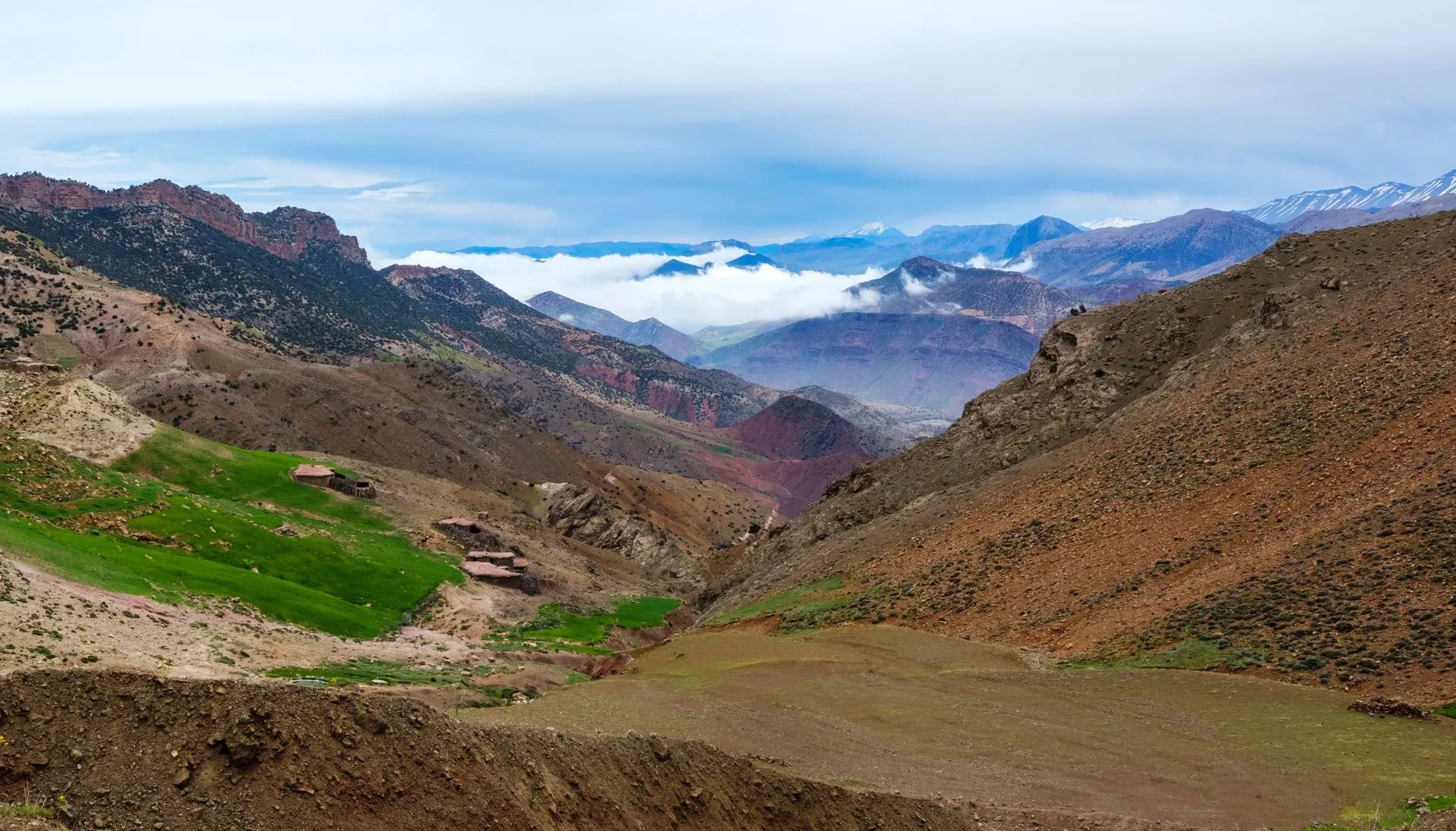
Explore the High Atlas Mountains on a guided hiking tour, with options ranging from half-day walks to multi-day treks through the Imlil and Ourika valleys. Most excursions include air-conditioned transport from Marrakech, expert local mountain guides, and visits to traditional Berber villages.
 Free Cancellation
 Escape the bustle of Marrakech to explore the traditional Berber villages and lush landscapes of the Ourika Valley.
 Free Cancellation
 Hike the Atlas Mountains with a local expert, visiting Berber villages and waterfalls across the Imlil Valley.
 Free Cancellation
 Explore the Ourika Valley with a guided hike to Setti Fatma waterfalls and a traditional lunch in a local Berber home.
 Free Cancellation
 A three-day private hike from Marrakech through High Atlas valleys, Berber villages, and walnut groves.
 Free Cancellation
 Summit Adrar Tidli on a guided 5-hour loop hike through the hidden trails of the Imlil Valley.
 Free Cancellation
 A rigorous 7-hour trek from Imlil to 2,500m, featuring a 900m elevation gain and a fresh mountain lunch.
 Free Cancellation
 Explore five High Atlas valleys, visit an argan oil cooperative, and share a traditional lunch with a Berber family.
 Free Cancellation
 Hike through Berber villages in the Atlas Mountains and ride camels at sunset in the Agafay Desert.
 Free Cancellation
 Hike the Atlas Mountains and learn to cook traditional Moroccan dishes with a local family in their home.
 Free Cancellation
 Zipline across the Atlas Mountains and enjoy a traditional Berber lunch on this guided day trip from Marrakech.
Read what travelers share about their experience visiting Atlas Mountains — from practical tips to personal highlights.
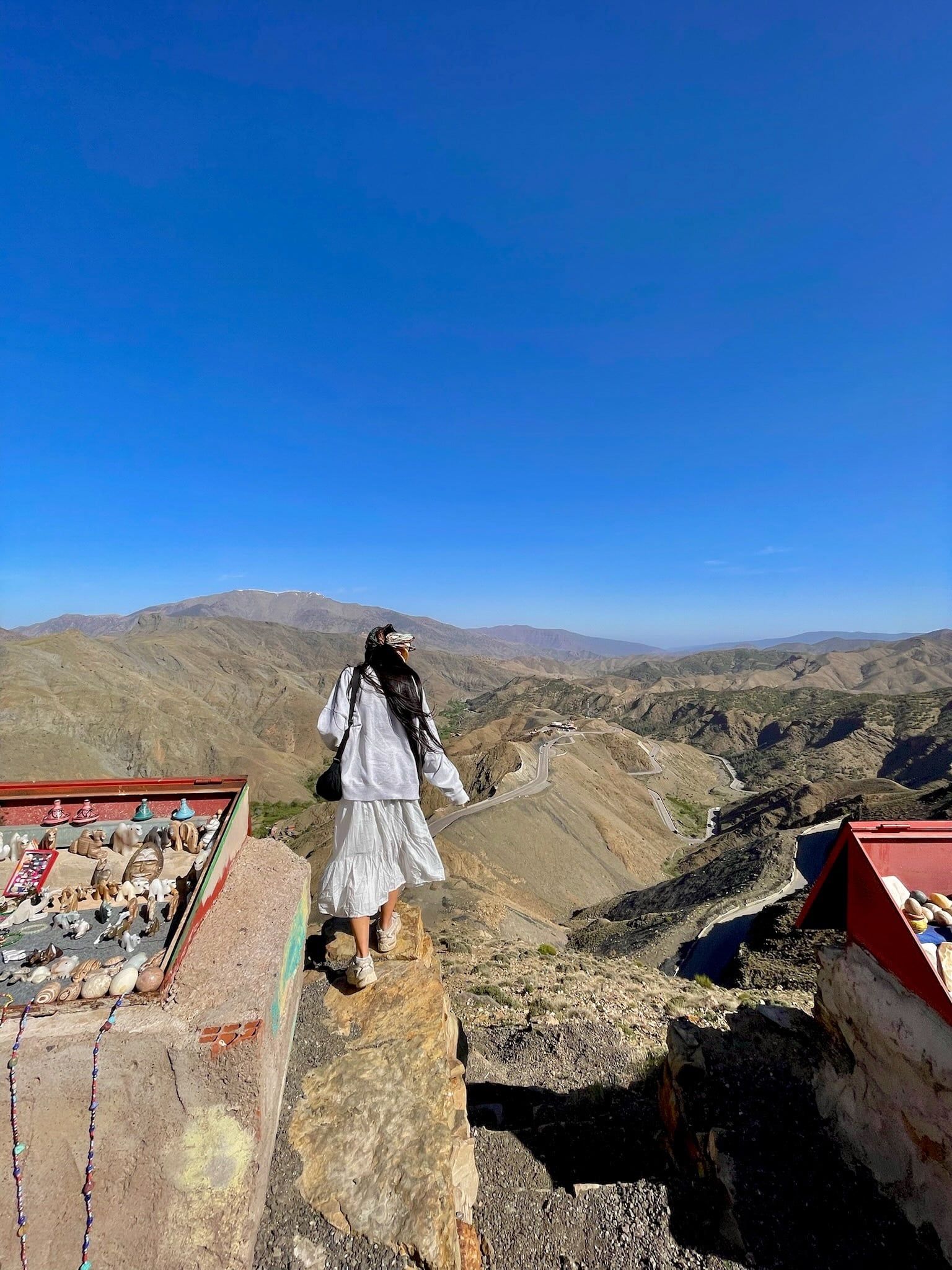
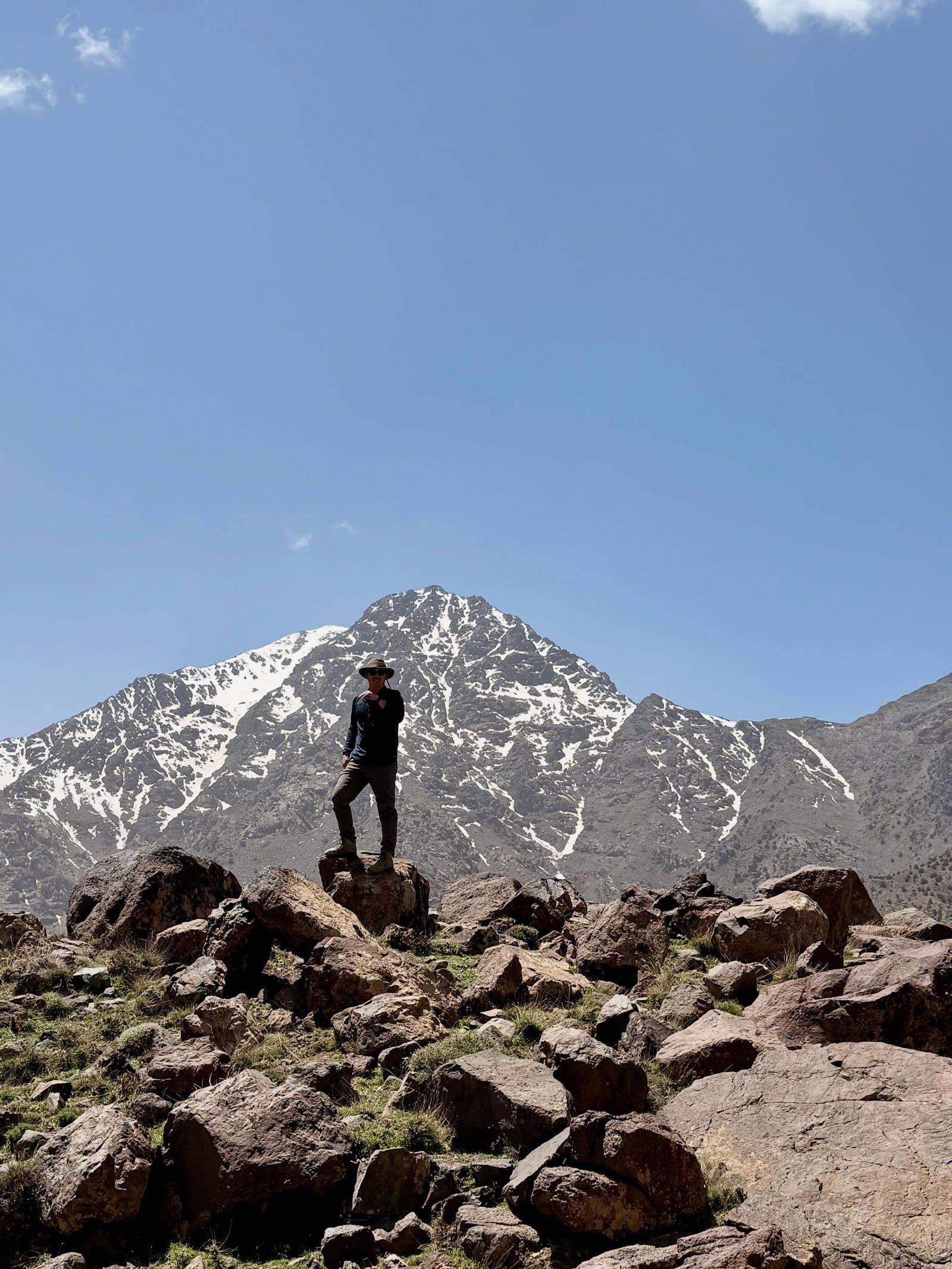
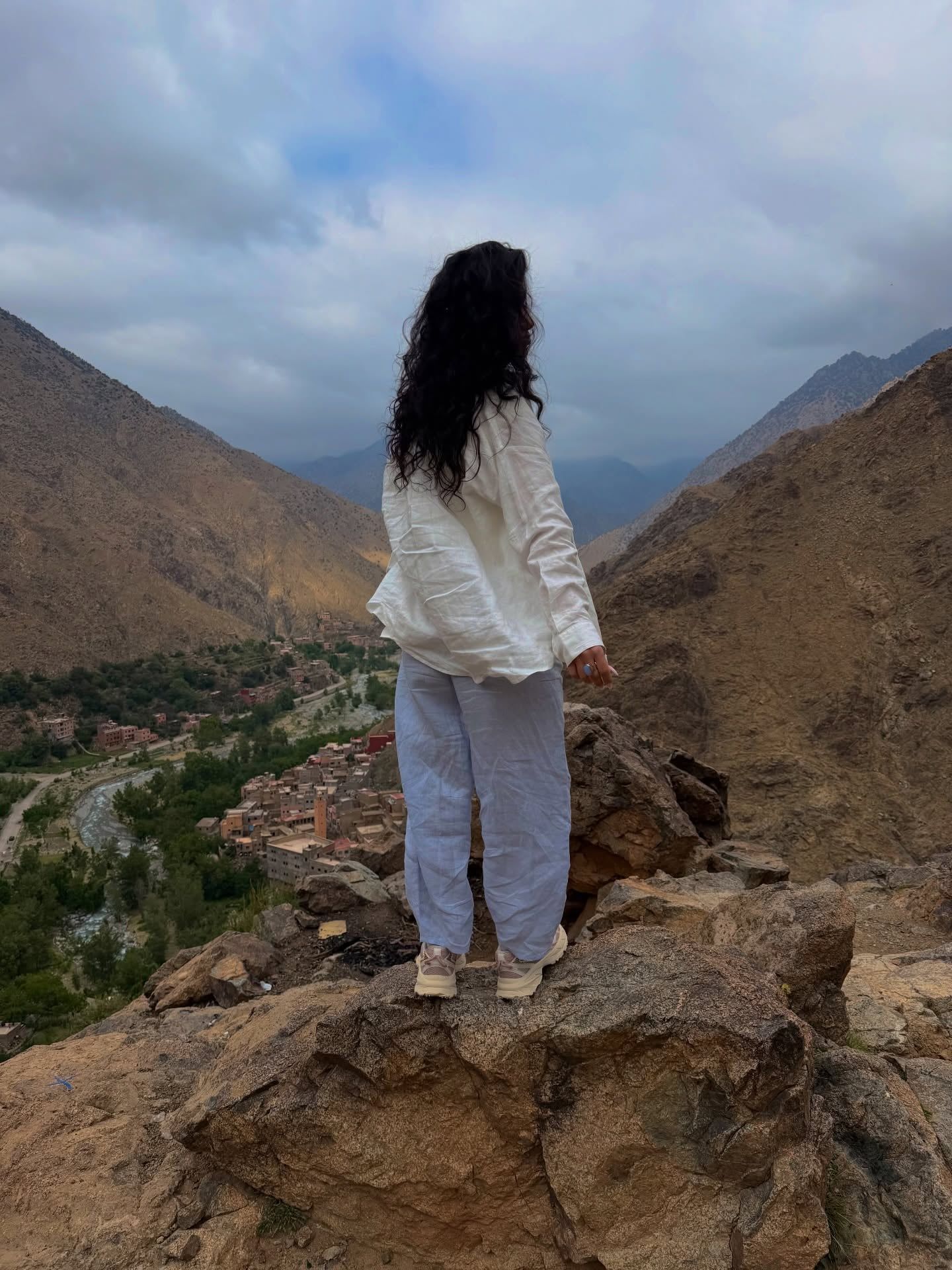
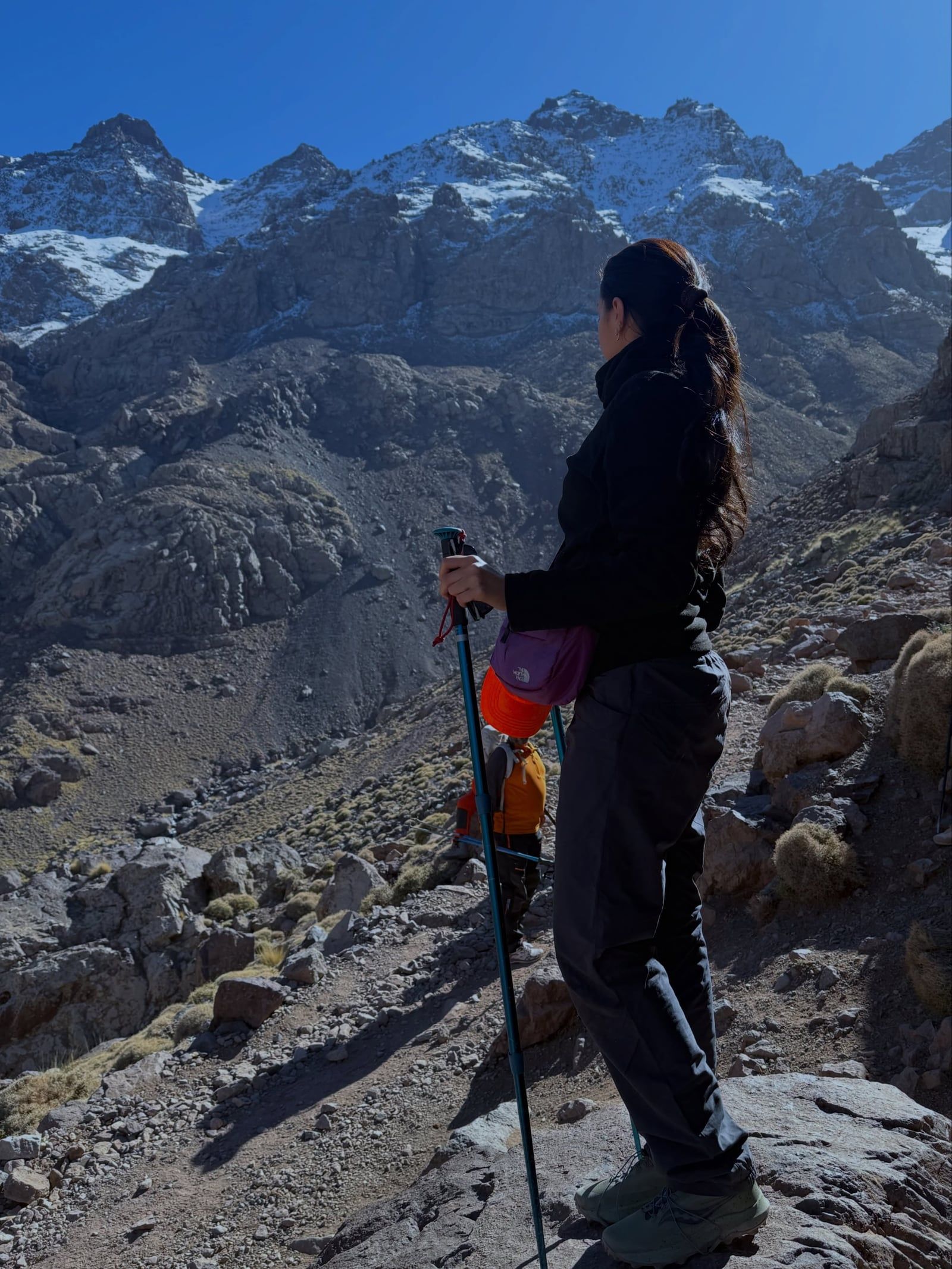
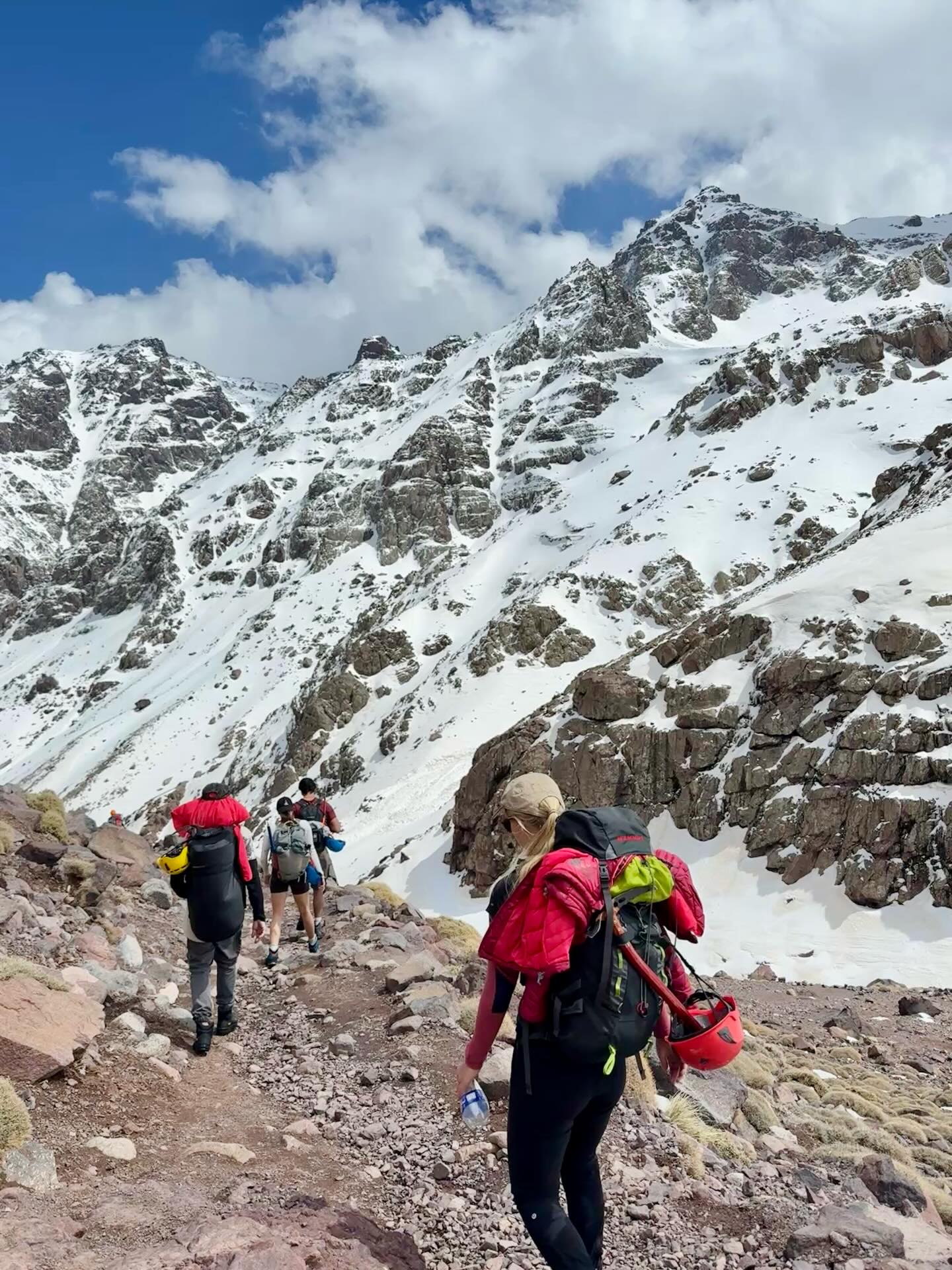
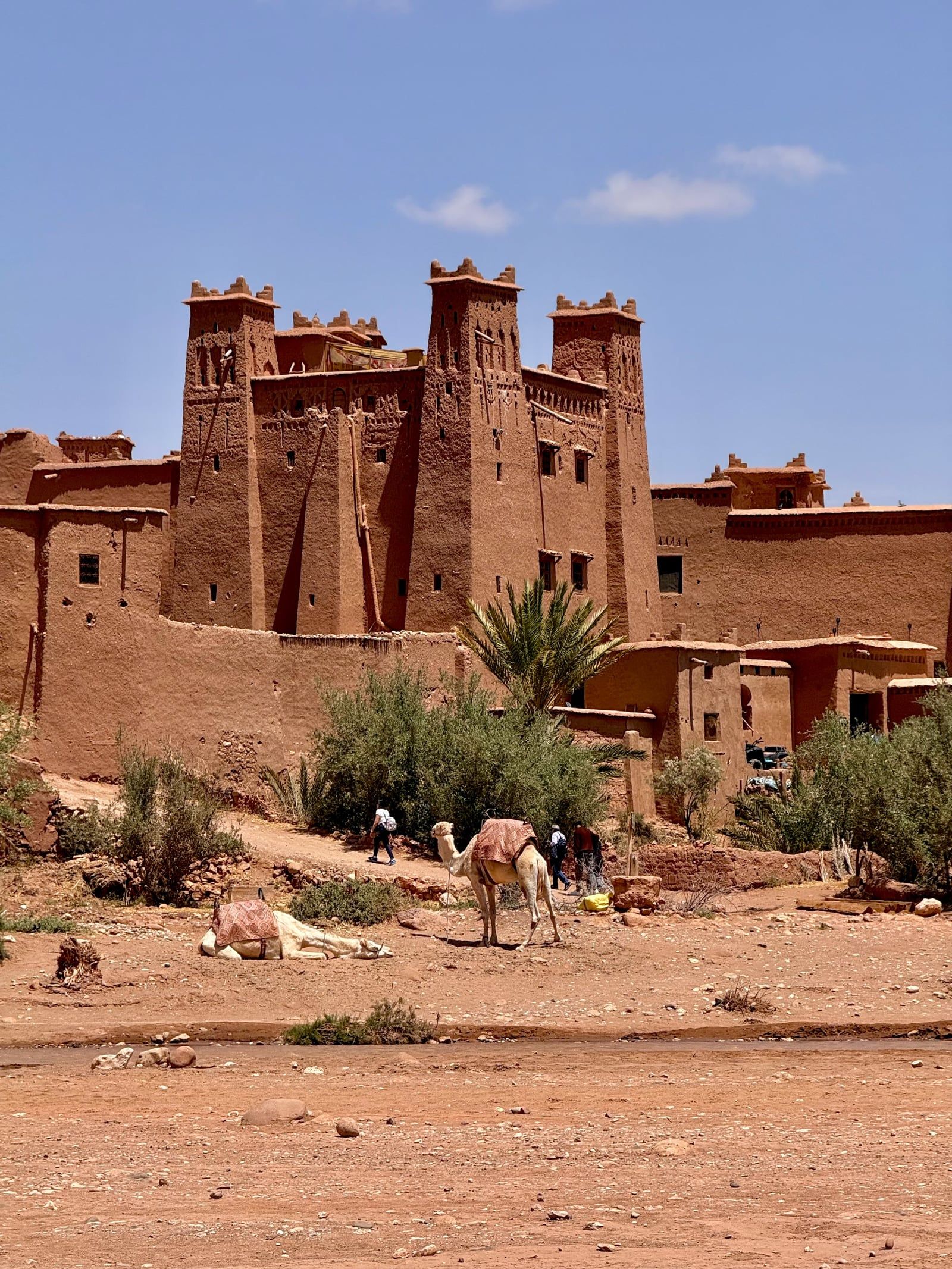
Hiking in the Atlas Mountains offers a stunning contrast to the bustling streets of Marrakech, bringing you into a world of towering peaks, lush valleys, and traditional Berber culture. Whether you are aiming for the summit of Mount Toubkal or taking a leisurely walk to the Setti Fatma waterfalls, you can expect dramatic landscapes and warm local hospitality.
At 4,167 meters, Mount Toubkal is the highest peak in North Africa. Trekkers usually spend two to three days tackling this challenging ascent, staying at mountain refuges before a sunrise summit push.
A lush, green valley famous for the Setti Fatma waterfalls. You can enjoy a moderate 8 km hike to see seven cascading falls and spot local monkeys along the riverbanks.
Walk through traditional clay-built villages clinging to the mountainsides. Many tours include stops at local homes for authentic mint tea and a glimpse into rural Amazigh life.
Sitting at 1,740 meters, this charming mountain town serves as the main gateway to Toubkal National Park. It is the perfect starting point for both short day hikes and multi-day treks.
A dramatic mountain pass winding through the High Atlas at 2,260 meters. The route offers breathtaking panoramic views of the changing, rugged landscape.
Planning a trip to the Atlas Mountains is straightforward, but knowing your options will help you choose the right experience. Here is what you need to consider before booking your hike.
You can choose from full-day group excursions covering multiple valleys, private guided hikes tailored to your pace, or multi-day trekking packages. Most day trips run between 6 to 8 hours, while Toubkal summits take 2 to 3 days.
There is no general entrance fee for the Atlas Mountains. Most guided tours include transport, a local hiking guide, and sometimes breakfast or tea. Specific attractions like the Ourika waterfalls have a small entry fee (around €2) which is usually covered by your tour.
Many day tours offer lunch as an optional add-on (typically around €7-€9 for a traditional tagine meal at a local home). Multi-day treks usually include all meals and a dedicated cook.
Options range from easy valley walks suitable for families to strenuous high-altitude climbs. Make sure to check the fitness level required on the tour listing, as some hikes require walking uphill for 3+ hours.
Beyond standard hiking, you can book specialized tours that include ziplining across mountain valleys, camel rides, or hands-on family cooking classes in a local Berber home.
Standard wheelchairs cannot navigate the rugged trails. However, specialized operators offer adapted 4x4 vehicles, portable lifters, and assisted trekking using Joelette mountain chairs with porters.
Most tour operators on this platform offer a full refund if you cancel at least 24 hours before the scheduled departure time, giving you flexibility if your travel plans change.
Swipe to see more
| 3 Valleys & Imlil Day Hike | Multi-Day Toubkal Trek | Hike & Family Cooking Class | Zipline & Village Hike | |
|---|---|---|---|---|
| Duration | 7-8 hours | 3 Days | 6 hours | 6 hours |
| Best for | Families and casual hikers | Active, experienced trekkers | Foodies and culture lovers | Thrill-seekers (ages 12+) |
| Key Inclusions | Transport, local guide, mint tea | Guide, accommodation, all meals | Hike, cooking class, ingredients, tea | Zipline gear, guide, transport |
| Price from | $17 - $22 | $158 | $67 | $22 |
Swipe to see more
Mountain Access: The Atlas Mountains are a natural public area, open 24 hours a day, 365 days a year.
Local Services: Guided excursions, village shops, and transport primarily operate during daylight hours. If you are doing a day tour, pickups from Marrakech usually start between 8:30 AM and 9:00 AM.
Ramadan: Keep in mind that local shop hours and guide schedules may shift significantly during the holy month of Ramadan.
By Tour: The easiest way to visit is via a booked tour, which almost always includes pickup and drop-off from your Marrakech accommodation or the nearest accessible point.
Grand Taxi: Shared grand taxis depart from Marrakech near Av. El Mouahidine and take about 1.5 hours to reach Imlil (64 km). They cost 50-70 MAD per person and leave when full (6 passengers). A private taxi costs 300-400 MAD.
Public Bus: You can take Alsa bus number 35 from Sidi Mimoun to Tahnaout (30 MAD), then catch a collective shared taxi for the remaining 17 km to Imlil.
High-Altitude Trekking: The best months to climb Mount Toubkal are between May and October when the weather is favorable and the trails are clear of snow.
Valley Hikes: Spring and autumn offer pleasant temperatures, making them ideal for lower-altitude hikes and combining mountain visits with desert circuits.
Months to Avoid: June through August can be dangerously hot in the lower valleys and desert areas (exceeding 50°C). Winter (December to February) brings freezing temperatures and heavy snow, blocking high passes.
Wheelchair Users: The rugged, unpaved mountain terrain is generally inaccessible for standard wheelchairs. However, specialized operators like Morocco Accessible Travel Consultants provide adapted 4x4 vehicles, portable lifters, and assisted trekking using specialized Joelette mountain chairs.
Elderly Travelers: Many tour operators offer tailored itineraries focusing on scenic drives, easy-access viewpoints, and comfortable riverside cafes with minimal physical strain.
Children: Easy-to-moderate day hikes, like the 8 km Ourika Valley trail, are highly suitable for children. Multi-day high-altitude treks are not recommended for young kids.
Imlil Hub: The town of Imlil (1,740m) serves as the main basecamp. It has bustling local shops where you can rent trekking gear, walking poles, and buy snacks.
Mountain Refuges: For those climbing Mount Toubkal, the Mouflon and Neltner mountain refuges sit at 3,200 meters, offering basic overnight lodging and meals.
Food and Drink: Lower valleys like Ourika feature vibrant riverside cafes serving hot tagines and mint tea. Always carry small denominations of Moroccan Dirhams (MAD) for purchases and tipping.
The highest peak is Mount Toubkal, which reaches an elevation of 4,167 meters (13,671 feet). It is the tallest mountain in North Africa and a very popular destination for multi-day trekking tours.
The main trekking hub of Imlil is about 64 kilometers from Marrakech. Depending on traffic and your mode of transport, the drive usually takes around 1.5 to 2 hours.
Yes. While you can visit independently, hiring a certified local guide is highly recommended for safety, navigation, and cultural context. For high-altitude routes and winter hikes, a guide is essential.
You should wear modest, comfortable clothing that covers your shoulders and knees to respect local Berber customs. Mountain weather changes rapidly, so pack a lightweight fleece, a windproof shell, and sturdy walking shoes.
Yes, lower-altitude day hikes are great for kids. The 8 km trail in the Ourika Valley is very popular for families. However, high-altitude treks like Mount Toubkal are not recommended for young children.
If you are doing a day tour in the lower valleys, altitude sickness is not an issue. However, if you are trekking above 2,800 meters towards Mount Toubkal, Acute Mountain Sickness is a risk. Take time to acclimatize and stay hydrated.
There is no general entrance fee to the mountains. Most guided tours include all necessary transport and guide fees. If a specific attraction like a waterfall has a small local fee (around €2), it is usually covered by your tour package.
No, unless you have explicit prior permission. Drones are heavily regulated in Morocco and require registration with the Moroccan Civil Aviation Authority (ANAC). Flying unregistered drones is strictly prohibited.
It depends on the specific tour you book. Some include breakfast and lunch, while others offer a traditional Berber lunch (like tagine and couscous) as an optional add-on for around €7 to €9.
Yes, you should bring small denominations of Moroccan Dirhams (MAD). You will need cash for tipping guides, buying souvenirs at village markets, or purchasing drinks at riverside cafes.
Browse verified tours with free cancellation and instant confirmation.
Find Tours


The Ourika Valley offers a quiet escape into the High Atlas Mountains, located just a short drive from the busy streets of Marrakech. This region is home to traditional Berber communities where life follows a slower, more ancestral pace. Visitors can observe the local architecture and get a glimpse into the daily customs of the people who have inhabited these mountains for centuries. The landscape provides a refreshing contrast to the city, characterized by green riverbanks and terraced hillsides. It is a popular destination for those looking to spend a day in nature, whether you are hiking near the river or simply enjoying the cooler mountain air. The valley serves as a natural retreat for anyone seeking a more relaxed environment outside the urban center.
For a full refund, cancel at least 24 hours before the scheduled departure time.
Arabic, English, French, Spanish


This excursion travels from Marrakech to the Imlil Valley and the surrounding 3 Valleys in the Atlas Mountains. Led by a local mountain guide, you will walk along quiet trails that connect traditional Berber villages and pass several waterfalls. The route offers clear views of Mount Toubkal, the highest peak in North Africa, while avoiding the more crowded tourist areas. The day focuses on the culture and daily routines of the people living in these mountain communities. You will visit Berber homes and learn about local customs firsthand from your guide. The pace is steady, allowing time to see the landscape and interact with residents in a way that feels natural and unhurried.
For a full refund, cancel at least 24 hours before the scheduled departure time.
Arabic, English, French, Spanish


This day trip travels into the Ourika Valley, a verdant stretch of the Atlas Mountains known for its terraced fields and river views. The itinerary centers on the village of Setti Fatma, where you will hike toward a series of waterfalls. Along the way, your guide will explain the geography of the region and the history of the communities that have lived here for centuries. Following the hike, you will visit a local home for a traditional Berber lunch. This provides a direct look at mountain hospitality and regional cuisine away from the typical tourist stops. To keep the experience manageable and low-impact, we travel in small groups with round-trip transportation included from your accommodation.
For a full refund, cancel at least 24 hours before the scheduled departure time.
English, French


This private three-day trip begins with a drive from Marrakech to the mountain town of Imlil. From there, you will spend three days trekking through the High Atlas landscape, passing pine forests, mountain streams, and orchards filled with cherry and walnut trees. The itinerary includes moderate-level guided hikes that lead through several Berber hamlets, providing a look at the local architecture and daily life. You will spend two nights in traditional gite accommodation. The tour covers round-trip transfers from Marrakech, the services of a mountain guide, and most meals during the trek.
For a full refund, cancel at least 24 hours before the scheduled departure time.
Arabic, English, French, Spanish


This guided trek offers a more substantial experience than the typical short walks found in the area. You will follow a circular route through the Imlil Valley, exploring lesser-known trails that showcase the natural landscape of the High Atlas Mountains. The journey takes approximately five hours and reaches the summit of Adrar Tidli. This moderate hike is designed for those seeking a full day of activity and provides panoramic views from the peak before returning via a different path.
For a full refund, cancel at least 24 hours before the scheduled departure time.
English, French


We will pick you up from your accommodation in Marrakech or the surrounding area for the drive to the mountain village of Imlil. This experience is designed for those who want a full day of trekking rather than a brief walk. Starting at an altitude of 1,740m, you will spend seven hours hiking through the High Atlas, gaining over 900m in elevation. The trail offers panoramic views of the mountain range and passes through several traditional Berber villages. To support the journey, a mule and a private cook will accompany the group. Once we reach the 2,500m mark, the cook will prepare a fresh lunch on-site, allowing you to rest and eat while taking in the high-altitude scenery before the descent.
For a full refund, cancel at least 24 hours before the scheduled departure time.
Arabic, English


This small-group tour travels through the High Atlas Mountains, visiting the valleys of Tahanout, Asni, Imnan, Imlil, and Takerkoust. Along the way, you will visit a local women’s cooperative to see how argan oil is traditionally processed and learn about its importance to the region. Once in Imlil, you will hike to the waterfalls before heading to a local home. Here, you will be served a traditional Berber lunch, providing a chance to experience local hospitality firsthand. The itinerary focuses on the natural landscape and the daily life of the mountain villages. For convenience, the tour includes door-to-door transport. You will be picked up and dropped off directly at your accommodation, or the nearest point accessible by vehicle if you are staying in the pedestrian-only areas of the Medina.
For a full refund, cancel at least 24 hours before the scheduled departure time.
English, French


The day begins with a drive toward the High Atlas Mountains, stopping first at a women’s cooperative for a traditional breakfast of fresh bread, honey, and olive oil. After a break, you will visit a Berber village for mint tea before starting a 90-minute guided hike. The trail winds through terraced fields, orchards, and stone settlements, offering clear views of the surrounding mountain peaks. Lunch is served on a terrace in Aït Souka village, which overlooks Mount Toubkal, the highest point in North Africa. In the afternoon, the tour moves to the rocky Agafay Desert. You will have the chance to take a 20-minute camel ride or choose an optional quad biking session for an additional 15 euros per vehicle. The trip ends at a desert camp where you can watch the sunset with a glass of mint tea. You will be driven back to Marrakech shortly after the sun goes down.
For a full refund, cancel at least 24 hours before the scheduled departure time.
Arabic, English, French


The day begins with a hike through the pine forests of Tizizghorane and the valley of Sidi Hssaine. This route offers a quiet look at the Atlas Mountain landscape, following trails that are far from the busier tourist areas. After the walk, you will join my family at our home for mint tea and homemade cakes. We then move into the kitchen for a hands-on cooking session where you will learn to prepare traditional dishes like pastilla, tanjia, tagines, and couscous. You will see how we use local spices and traditional methods to create these meals. The experience runs from 10:00 to 16:00. The pace is kept relaxed to ensure there is plenty of time for the hike, the cooking lesson, and sharing the meal together as a group.
For a full refund, cancel at least 24 hours before the scheduled departure time.
Arabic, English, French


Escape the heat of Marrakech for a day of adventure in the foothills of the Atlas Mountains. After a pickup in an air-conditioned vehicle, you'll meet your instructors for a safety briefing and equipment fitting. Once geared up, you will head to the lines to fly across the mountain valleys, taking in panoramic views of the rugged landscape and local villages below. Following the zipline course, the experience continues with a traditional Berber lunch featuring authentic Moroccan dishes. This trip is designed for families and couples alike, offering a mix of outdoor thrills and local culture. Your booking includes round-trip transport from your accommodation, mobile ticketing, and the flexibility of free cancellation up to 24 hours before the tour begins.
For a full refund, cancel at least 24 hours before the scheduled departure time.
German, English, French, Spanish