About All Tours Hiking ToursPrivate ToursTrekking ToursFrom Marrakech ToursAnd Sahara Desert Tours Directions Hours & Fees
Find Tours 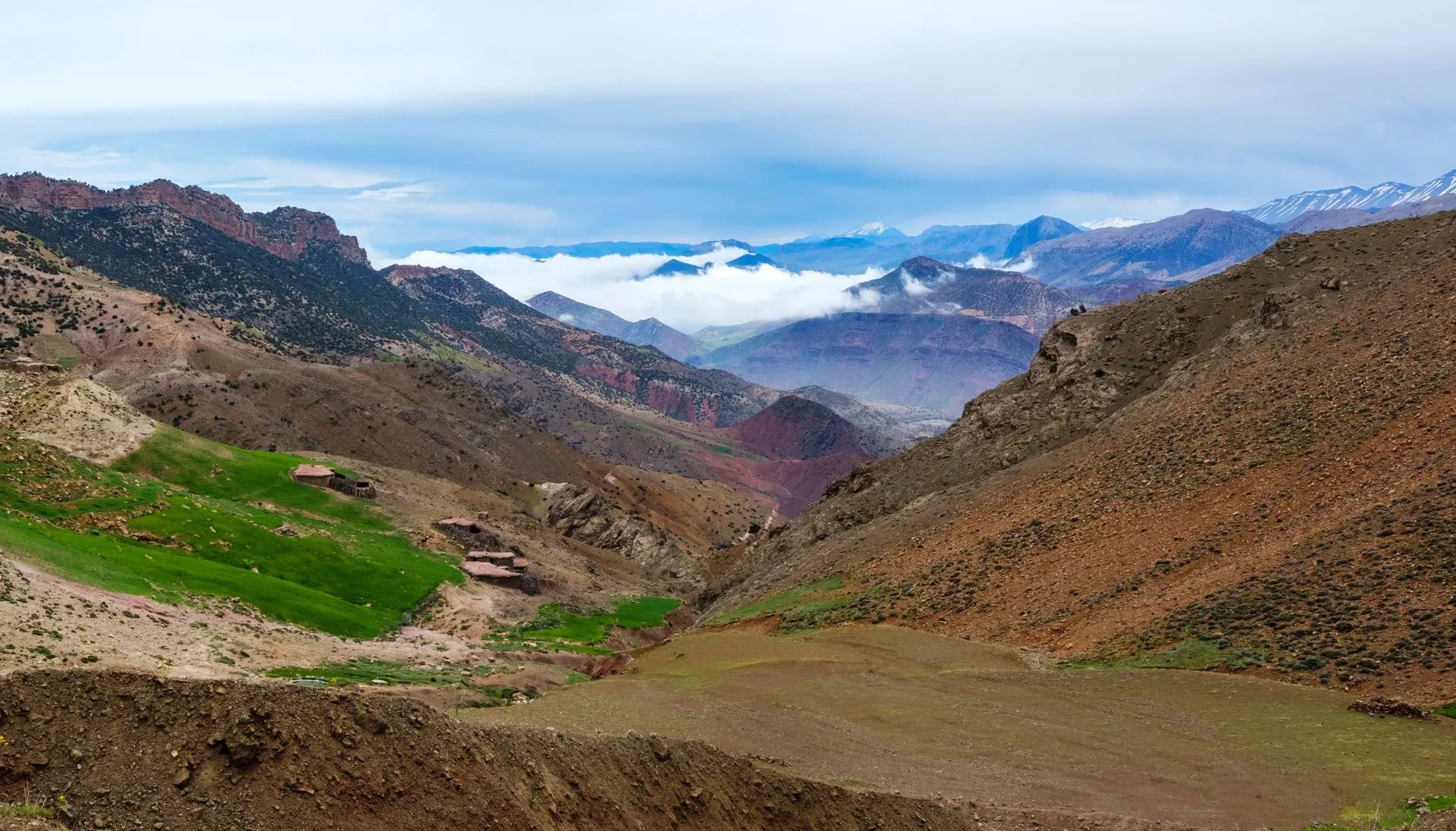
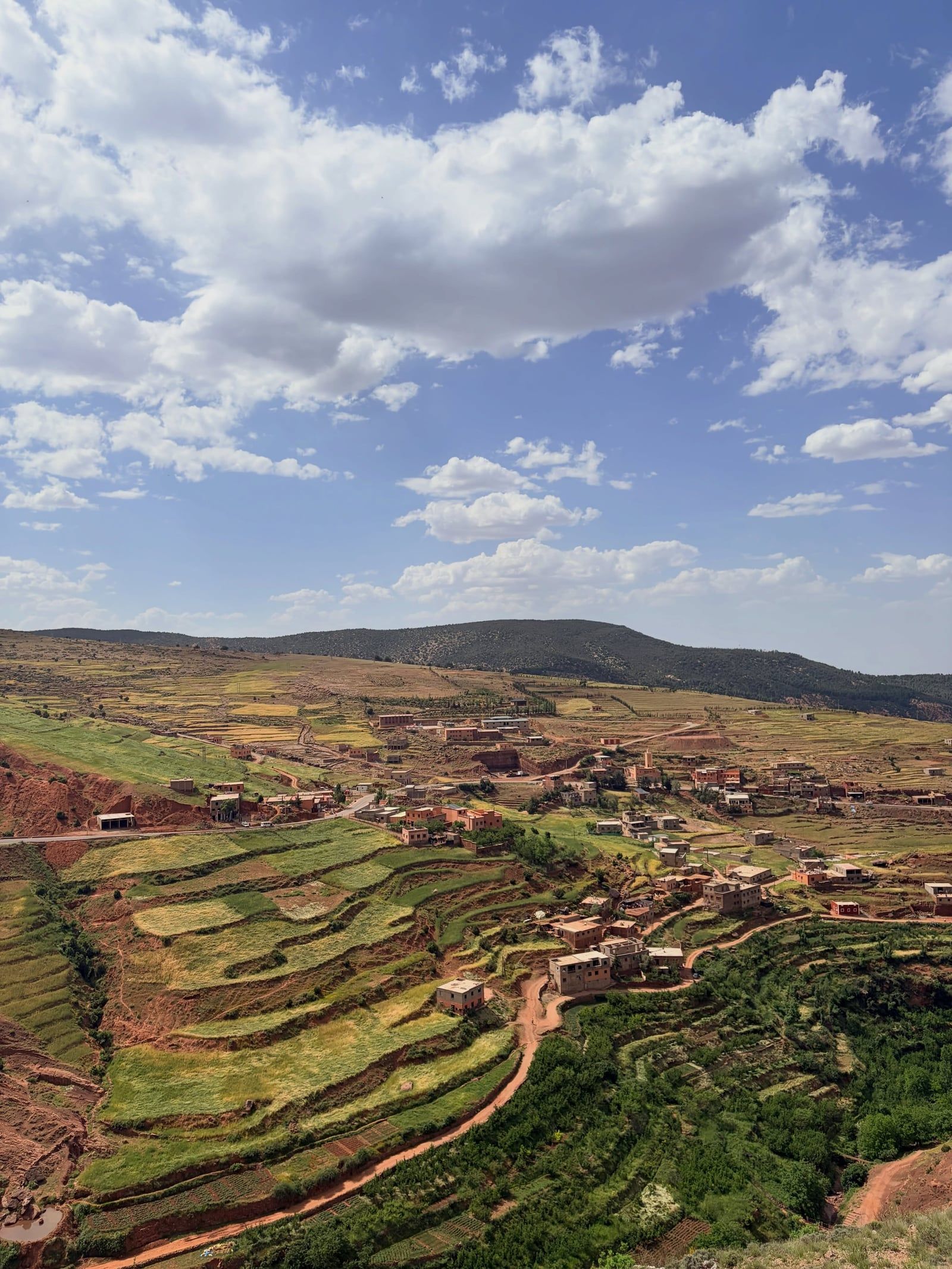
Stretching 2,500 kilometers across Northwest Africa, this massive mountain range separates the Mediterranean coast from the Sahara Desert. Hikers can climb Mount Toubkal to an elevation of 4,167 meters or walk through terraced fields to reach traditional Berber villages.
Find Guided ToursThe Atlas Mountains form a massive 2,500-kilometer natural barrier across northwestern Africa, spanning Morocco, Algeria, and Tunisia. This extensive range separates the Mediterranean and Atlantic coasts from the arid Sahara Desert. In central Morocco, the mountains reach their apex at Mount Toubkal, which stands at 4,167 meters as the highest peak in North Africa. The system comprises six distinct subranges, including the High Atlas, Middle Atlas, and Anti-Atlas, each supporting unique semi-arid ecosystems and fertile valleys.
Geologically, the range developed over millions of years through a series of tectonic shifts. The initial formation began during the Jurassic Period with the breakup of the supercontinent Pangea. Later, during the Cenozoic era, the collision between the African and Eurasian tectonic plates pushed the terrain upward, creating the rugged peaks and deep canyons visible today.
Human presence in these mountains dates back to prehistoric times, documented by ancient rock engravings that depict early hunting scenes and rituals. The region is the ancestral home of the indigenous Berber people, who call themselves the Amazigh, meaning "free people." These communities adapted to the harsh high-altitude conditions, maintaining traditional farming and pastoral customs that continue into the present day.
Over the centuries, the unforgiving terrain served as a strategic stronghold. The Berbers used the mountains to resist foreign incursions, fighting ancient conflicts with the Roman Empire in the 1st century BCE and interacting with Phoenicians as early as the 12th century BCE. Following the arrival of Islam in the 7th century, the region gave rise to powerful Berber dynasties, including the Almoravids and Almohads, between the 11th and 13th centuries. In the 20th century, the high passes again functioned as a major base of resistance against French colonial occupation.
Discover the full history and cultural significance on our About page.
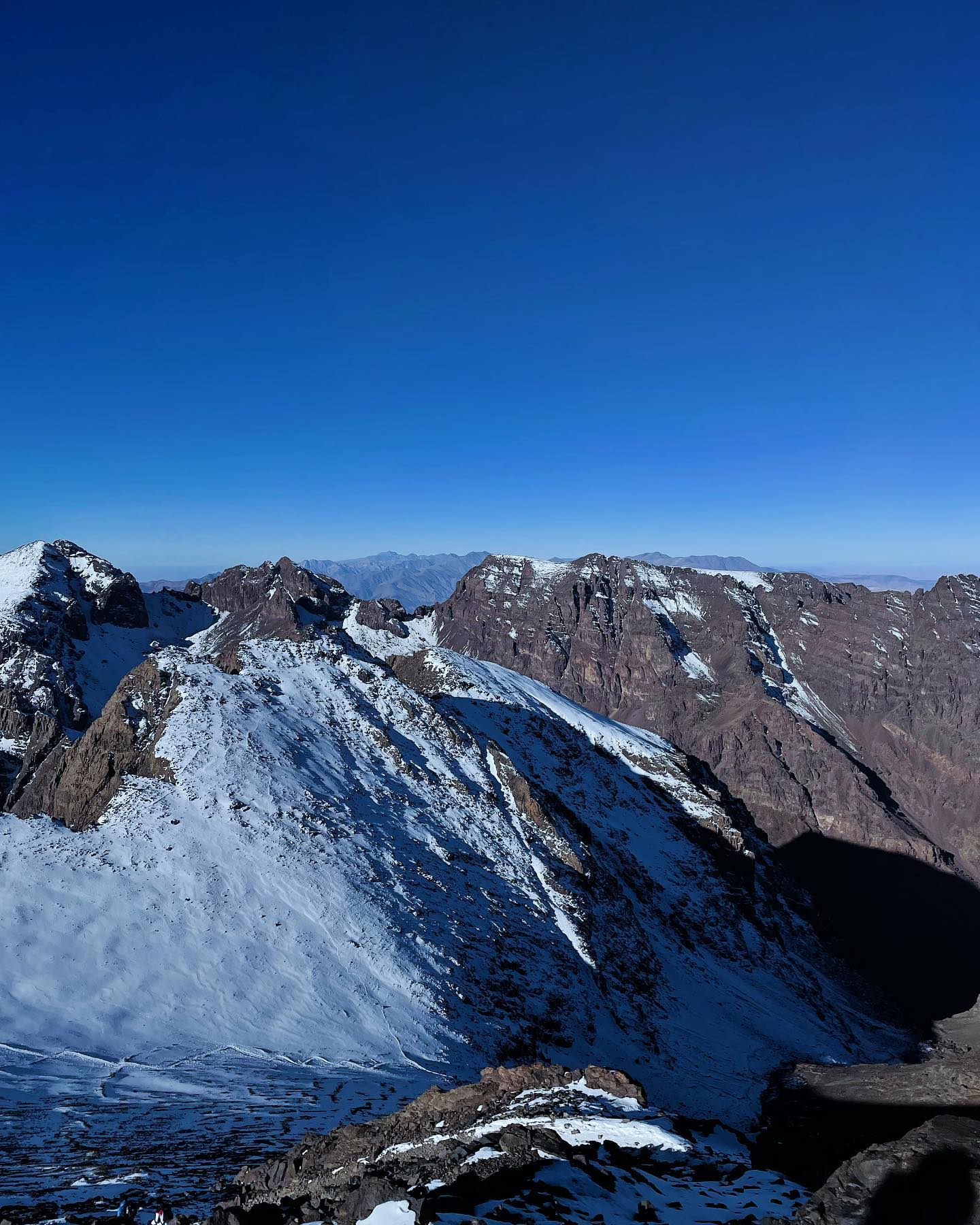
Climbers can scale Mount Toubkal to 4,167 meters. The route requires an overnight stay at the Mouflon or Neltner refuges at 3,200 meters. Trekkers then make a challenging sunrise push to the summit, watching morning light illuminate the vast desert.
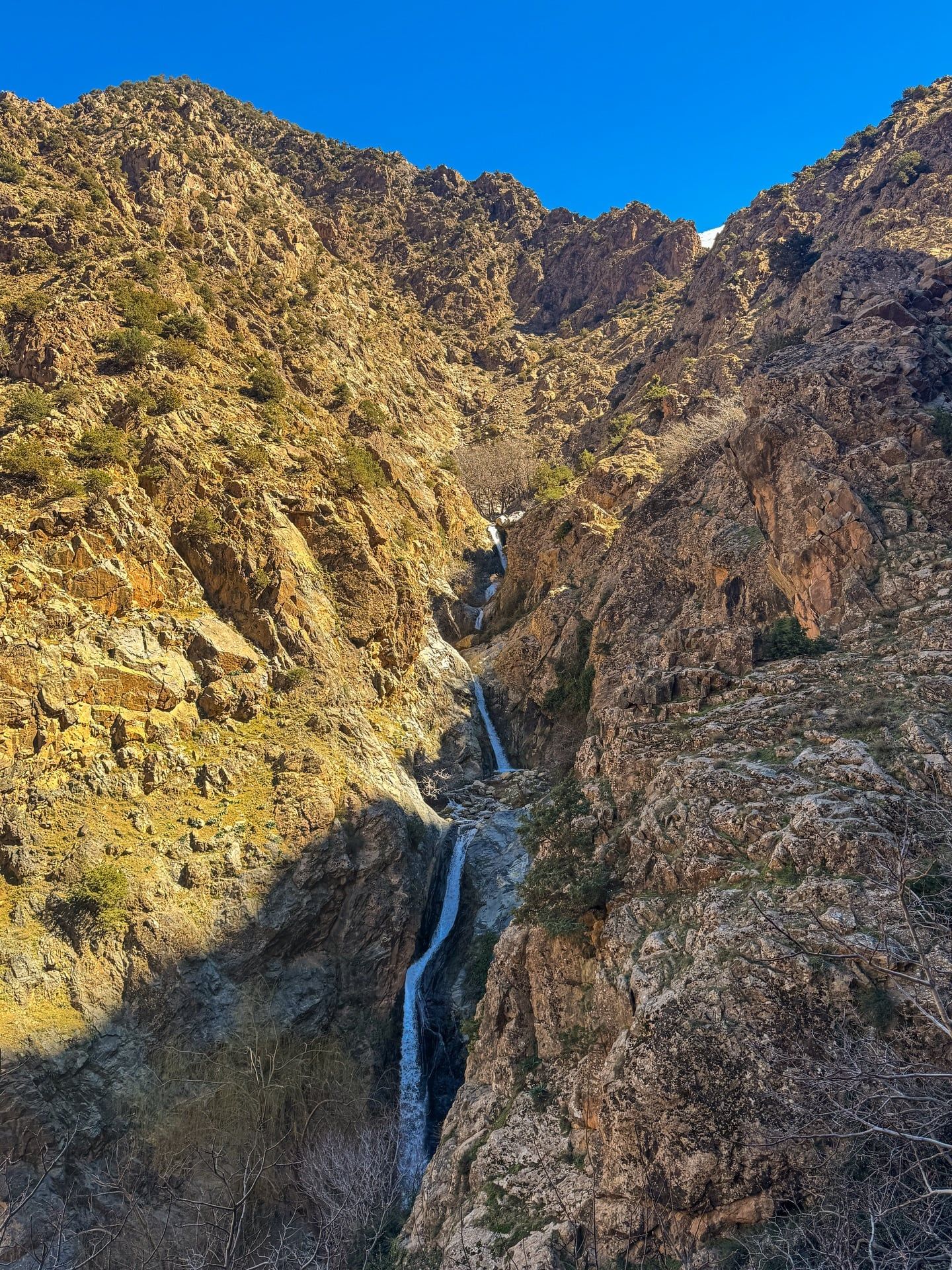
An 8-kilometer moderate trail winds past terraced fields and a winding river to reach the seven cascading Setti Fatma waterfalls. Along the banks, hikers frequently spot local monkeys. Afterward, visitors can rest at local riverside cafes, enjoying this lush green valley.
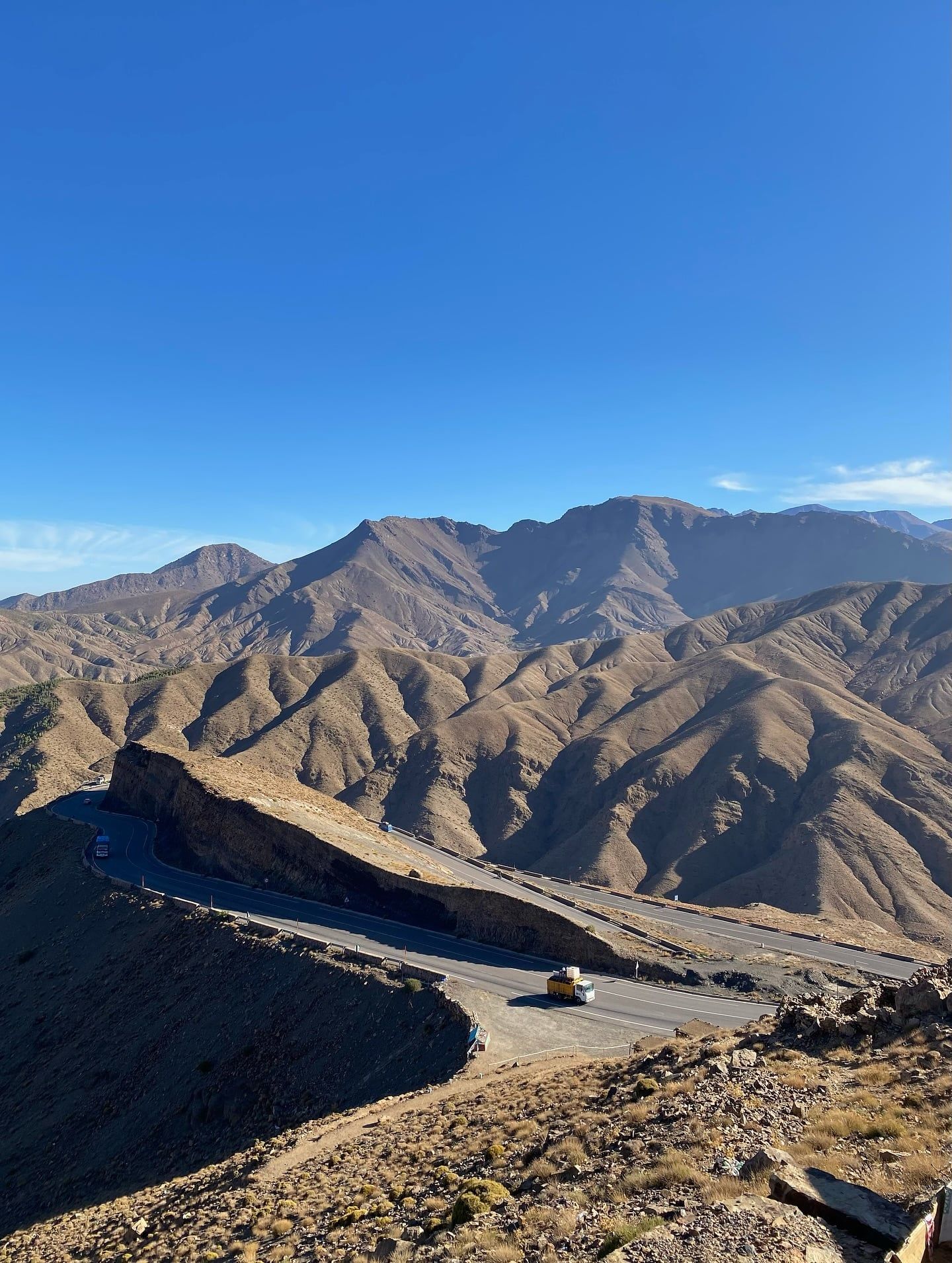
This dramatic mountain road connects Marrakech to Ouarzazate. Peaking at an elevation of 2,260 meters, the route features steep turns and panoramic views of the changing mountain landscapes. Travelers will see traditional clay-built Berber villages clinging tightly to the rugged cliff sides.
Winter sports enthusiasts can ski and snowboard in Africa between December and February. Located just 80 kilometers from Marrakech, this unique resort provides gear rentals after a 1.5-hour drive. Visitors hit the slopes surrounded by stunning, snow-covered mountain peaks.
Hand-picked tours with free cancellation and verified reviews
 Free Cancellation 7h
  Free Cancellation
  Free Cancellation
  Free Cancellation 7h
  Free Cancellation 8h Free Cancellation 7h
  Free Cancellation 7h 30min
  Free Cancellation 7h
 The most favorable time to visit the Atlas Mountains is between May and October for clear, snow-free trails. Spring and autumn also provide pleasant temperatures for combining mountain treks with desert circuits.
Spring provides pleasant temperatures well-suited for combining mountain visits with desert circuits. By May, conditions become highly favorable for high-altitude trekking and climbing Mount Toubkal as trails clear of snow.
These peak summer months are the worst time to visit due to severe desert-level heat. Temperatures can exceed a dangerously intense 50°C, making outdoor activities and trekking unsafe.
Early autumn offers pleasant temperatures for exploring the mountains alongside desert circuits. High-altitude trails like the route up Mount Toubkal remain clear of snow and favorable for climbers through October.
Freezing temperatures and heavy snow make this a challenging time to visit, often blocking high mountain passes. However, winter sports enthusiasts can ski at the Oukaïmeden resort during these months.
As a natural public area, the Atlas Mountains are open 24 hours a day, 365 days a year. Local transport, village shops, and guided excursions operate primarily during daylight hours. Schedules for these services may shift significantly during the holy month of Ramadan.
| Category | Price |
|---|---|
| General Access | Free |
| Ourika Valley Waterfalls | From €2 |
| Basic Guided Trekking (per day, includes permits) | From €50 |
| Premium Guided Trekking (per day, includes permits) | From €100 |
While general access is free, backcountry camping and high-altitude trekking require permits. These are typically arranged by licensed guides or included in tour packages.
For complete schedules and ticket prices, visit our Hours & Fees page.
Travelers typically access the Moroccan High Atlas through Imlil, a mountain town located 64 kilometers from Marrakech. You can reach this primary gateway via direct road transport, choosing between local taxis, public buses, or private transfers.
📍 No exact street address; the mountain range spans 2,500 kilometers across Morocco, Algeria, and Tunisia.
Shared grand taxis offer a direct route from Marrakech to the mountain town of Imlil. These vehicles depart only when they reach their full capacity, which is typically six passengers. You can locate them near the intersection of Avenue El Mouahidine and Avenue Hommane Al Fatouaki. The 64-kilometer drive provides a straightforward and economical way to reach the main gateway of Toubkal National Park.
Travelers can hire a private grand taxi for the 64-kilometer trip from Marrakech to Imlil. This transport method departs from the same intersections near Avenue El Mouahidine and Avenue Hommane Al Fatouaki. Paying for a private transfer secures the entire vehicle for your group. It provides a direct route to the mountains without waiting for six individual passengers to fill the car.
This two-step route requires taking Alsa bus number 35 from the Sidi Mimoun station in Marrakech. The bus travels to Tahnaout, which takes approximately one and a half hours. Upon arriving in Tahnaout, passengers must catch a collective shared taxi to cover the remaining 17 kilometers to Imlil. This combination covers the full 64-kilometer distance and is a reliable local transit method.
For detailed transport options and routes, visit our Directions page.
Unlicensed guides frequently look for work in towns like Imlil, located at 1,740 meters. Always hire a certified local guide for high-altitude routes and summit attempts. Professional guides provide essential first aid and proper weather assessment on trails leading up to the 4,167-meter Mount Toubkal.
Acute Mountain Sickness can cause headaches and nausea starting around the 2,800-meter mark. The cool mountain air often masks how much you sweat, increasing dehydration risks. Carry a hydration pack with rehydration sachets, take time to acclimatize, and inform your guide immediately if symptoms appear.
Keep small denominations of Moroccan Dirhams on hand when heading into the mountains. A shared Grand Taxi from Marrakech costs 50 to 70 MAD per person. You will also need cash for tipping guides, buying goods at weekly souks, and purchasing mint tea at riverside cafes.
Rural Berber communities maintain conservative customs, unlike the more relaxed cities. Visitors should wear long trousers and loose clothing to keep their shoulders and knees covered. This shows respect for local traditions and helps you avoid unwanted attention while exploring the region.
Resist the temptation to purchase large, traditional clay tagine cooking pots in mountain markets. These authentic items are highly bulky and difficult to transport home safely. Furthermore, they typically do not fit inside conventional European ovens, making them impractical for everyday use.
Taking pictures of military installations, police stations, checkpoints, government buildings, and royal palaces is strictly prohibited. Always ask for permission before photographing local residents in the markets. Additionally, flying a drone requires prior registration and approval from the Moroccan Civil Aviation Authority.
This UNESCO World Heritage site showcases pre-Saharan earthen clay architecture built from mud and straw. It served as a filming location for major productions like Gladiator and Game of Thrones.
Located 80 km from Marrakech, this ski resort allows visitors to ski and snowboard in Africa between December and February. The area features snow-covered mountain peaks and equipment rental facilities.
Known as the valley of a thousand kasbahs, this area features dramatic red rock canyons and unique formations called Monkey Fingers. The scenic drives highlight traditional Berber oasis life.
Read what travelers share about their experience visiting Atlas Mountains — from practical tips to personal highlights.
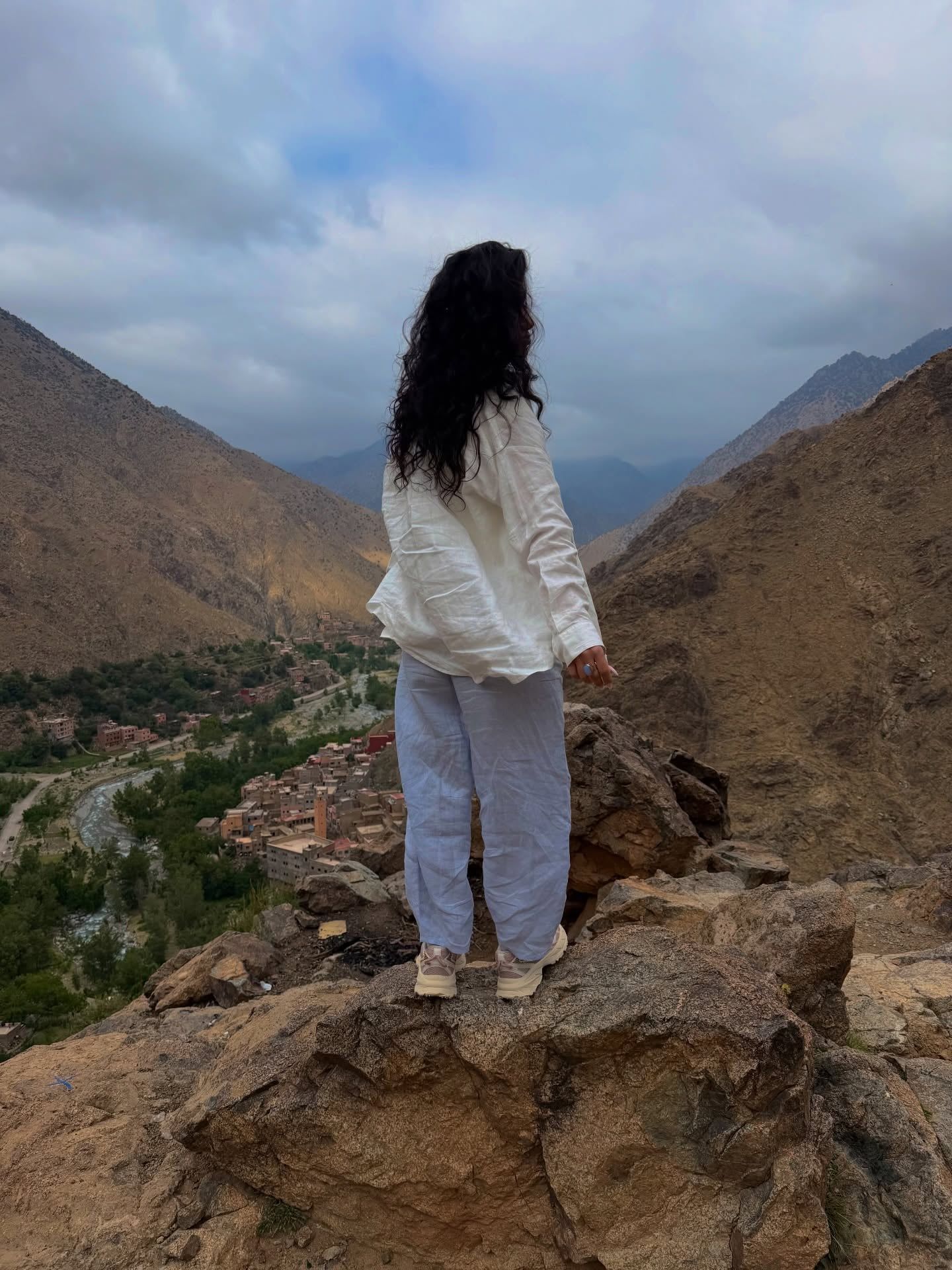
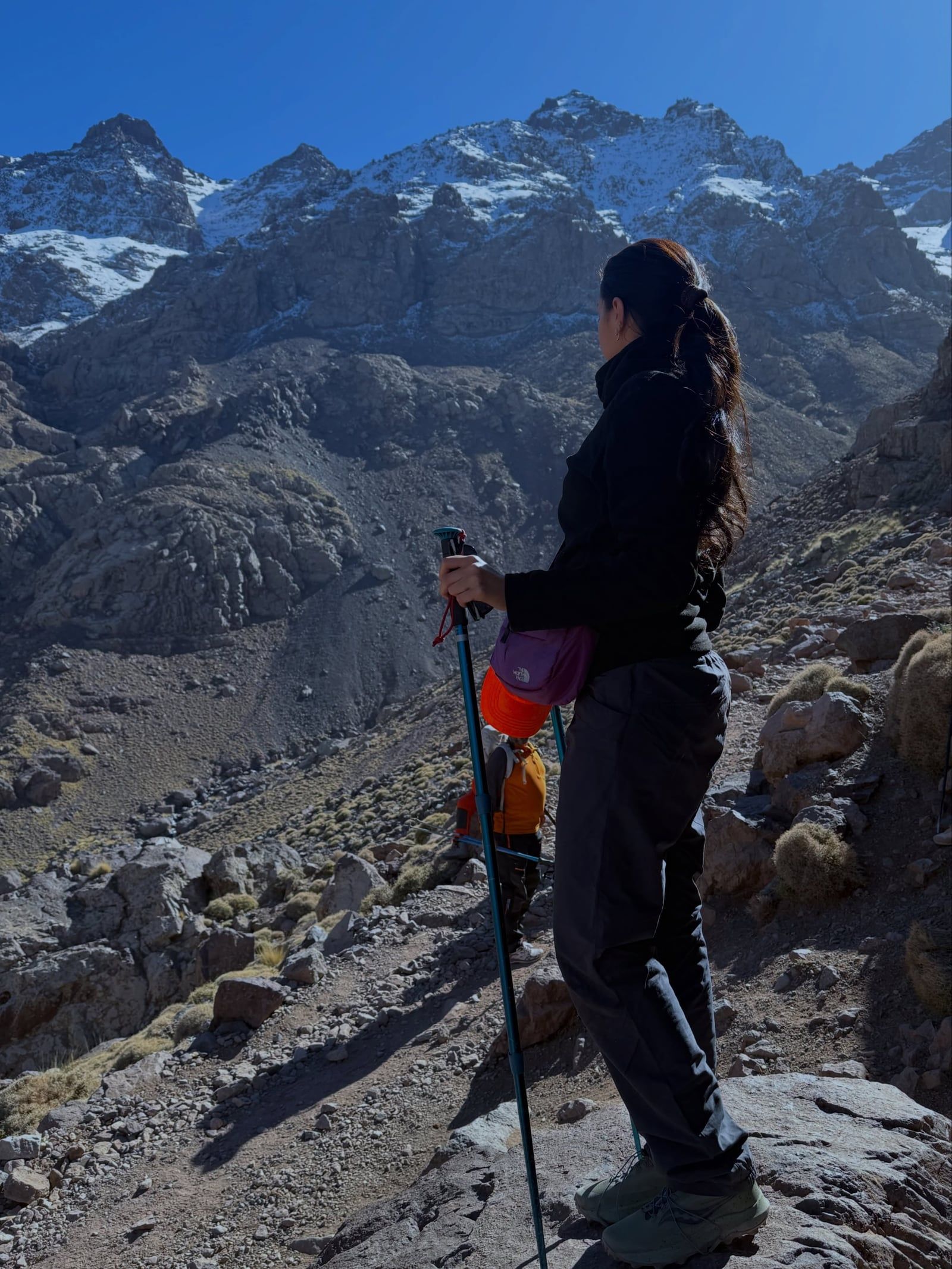
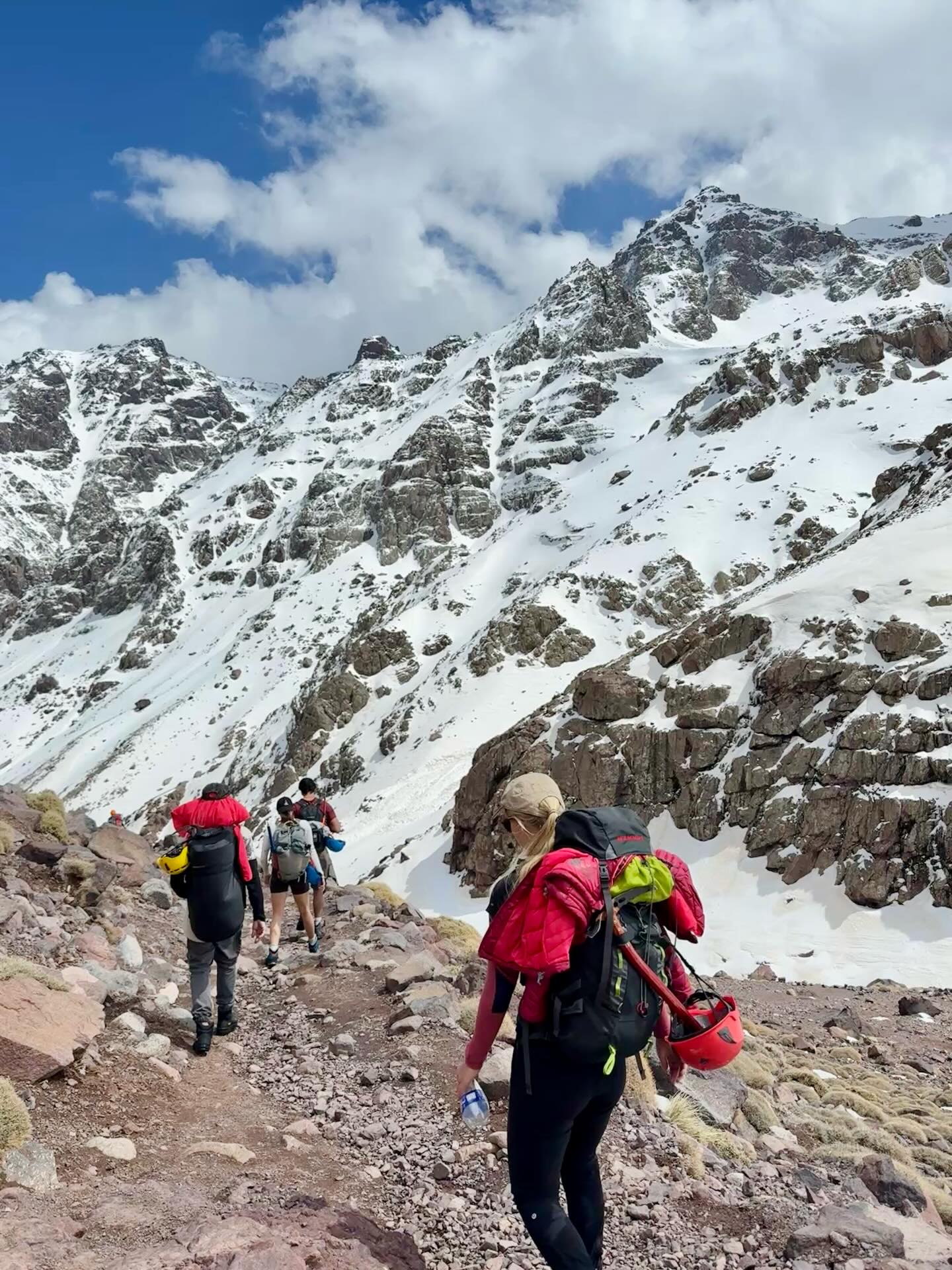
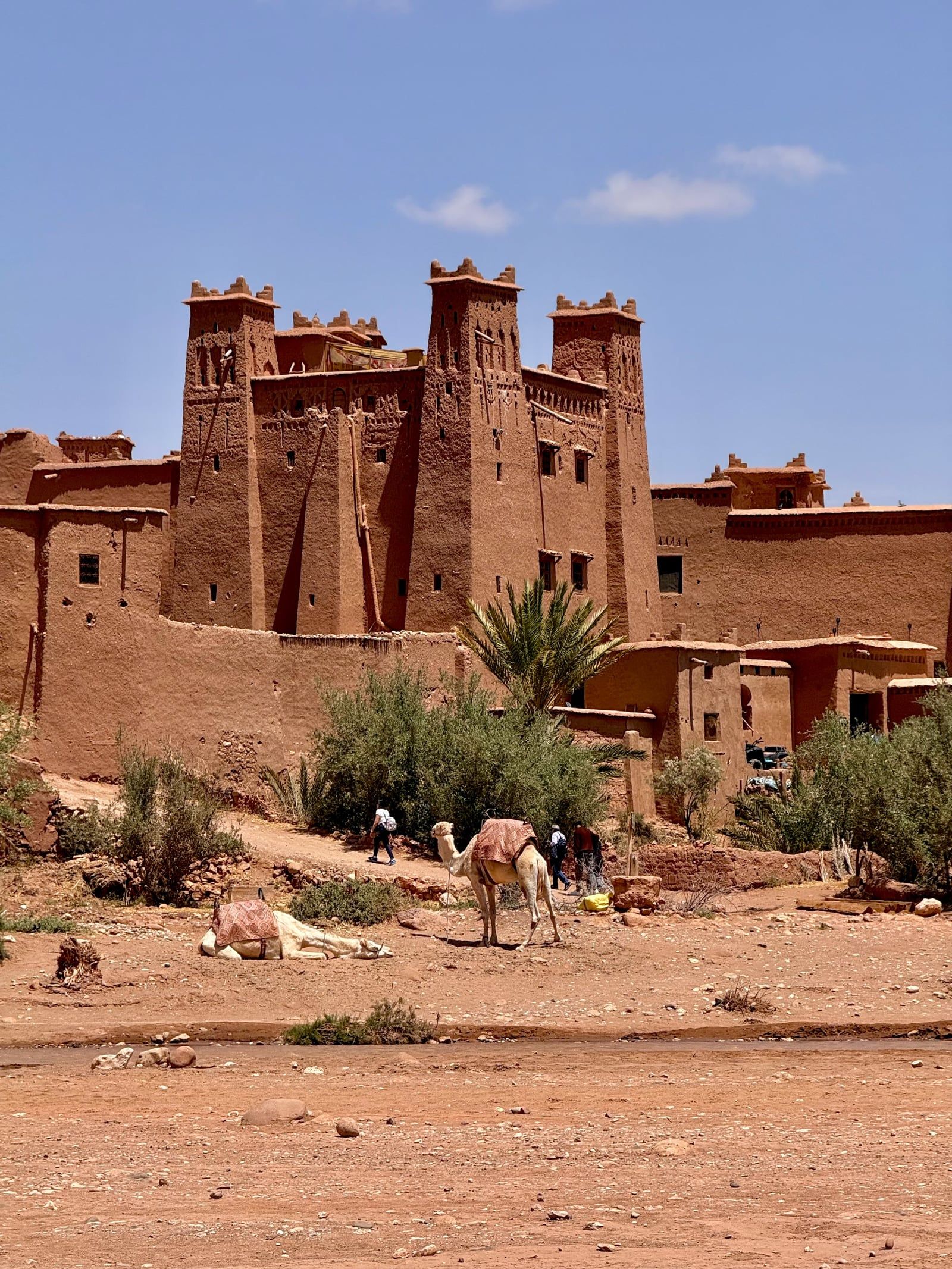
There is no general entrance fee to access the mountain range, which is open 24 hours a day, 365 days a year. Specific local attractions charge small amounts, such as the Ourika Valley Waterfalls with entry fees starting at €2.
Basic trekking services with a licensed guide, refuge lodging, and meals start at €50 per day. Premium packages that include private guides, cooks, permits, and transfers start at €100 per day and are typically arranged through licensed tour operators.
The best months for high-altitude trekking and climbing Mount Toubkal are between May and October when the weather is favorable and trails are clear of snow. Avoid the peak summer months of June through August if you plan to combine your trip with a desert circuit, as temperatures can exceed 50°C.
You can reach the main trekking hub of Imlil, located 64 km away, by taking a shared Grand Taxi for 50 to 70 MAD per person. The trip takes about 1.5 hours, or you can hire a private transfer for 300 to 400 MAD.
Modest clothing is highly recommended, so visitors should wear long trousers and keep their shoulders and knees covered to respect local customs in rural Berber communities. Pack a lightweight fleece and a windproof shell, as temperatures drop significantly when ascending to high altitudes like the 3,200-meter Mount Toubkal Refuge.
Always bring small denominations of Moroccan Dirhams (MAD) for tipping guides and making purchases at local cafes. You should also carry a hydration pack and rehydration sachets to prevent dehydration, which is a major risk on exposed trails like the 8 km Ourika Valley hike.
Yes, specialized operators like Morocco Accessible Travel Consultants provide adapted 4x4 vehicles with portable lifters. They also offer assisted trekking using specialized Joelette mountain chairs with porters to navigate the steep, unpaved paths.
Visits can range from a single-day excursion from Marrakech to a 2-day guided trek up Mount Toubkal. Travelers looking for a comprehensive experience can also book a 6-to-8-day luxury trekking itinerary.
Browse verified tours with free cancellation and instant confirmation.
Find Tours